ネガと、世界を見ることと、私の世界観
何谓“负片”
> “负片”(Negative Film)
“负片”是经曝光和显影加工后得到的影像,其明暗与被摄体相反,其色彩为被摄体的补色。
“负片”需要经过印放在照片上才能还原为正像。
简单地说,拍摄的胶片冲洗出来以后,所看到的影像是反色的影像,需要经过扩印或放大成照片才能变成与所拍摄景物相同色彩的影像。
以黑白的片子为例,“负片”的胶片上人的头发是白的,而实际上是白色的衣服在胶片上则显示为黑色。
————《什么叫正片、负片和反转片?》https://support.hp.com/cn-zh/document/c00091767
负片是最常见的胶片,如果不是00年后的小朋友,应该都有见过。
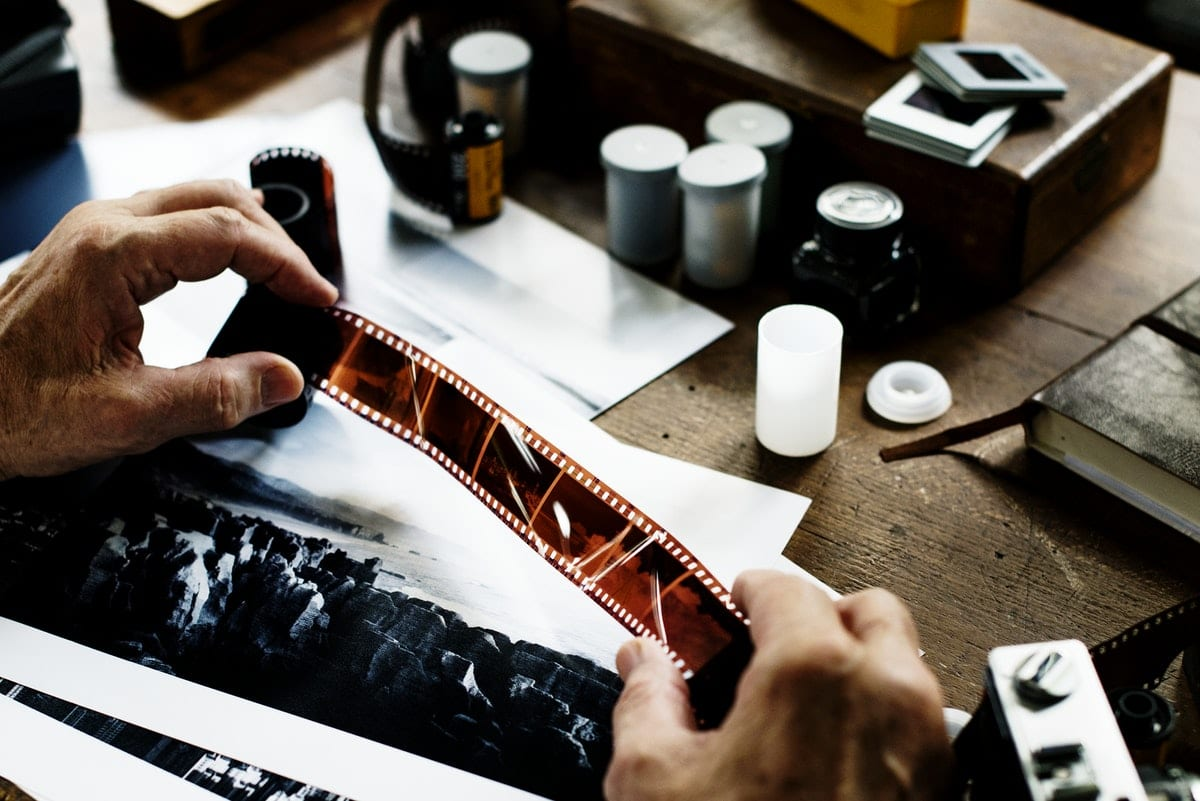
图源——https://everpresent.com/negatives-to-digital-guide/?clickcease=block
“Ctrl+I”
曾几何时,也曾亲手冲过胶片。
甚至本科毕业设计都是
《基于MSP芯片的自动化温控胶卷冲洗机》
云云
作为一个“非典型理工男”,
我把很多课余时间都用在了摄影协会上,
时至今日虽然相机早已吃灰。
也没有什么拿的出手的摄影作品。
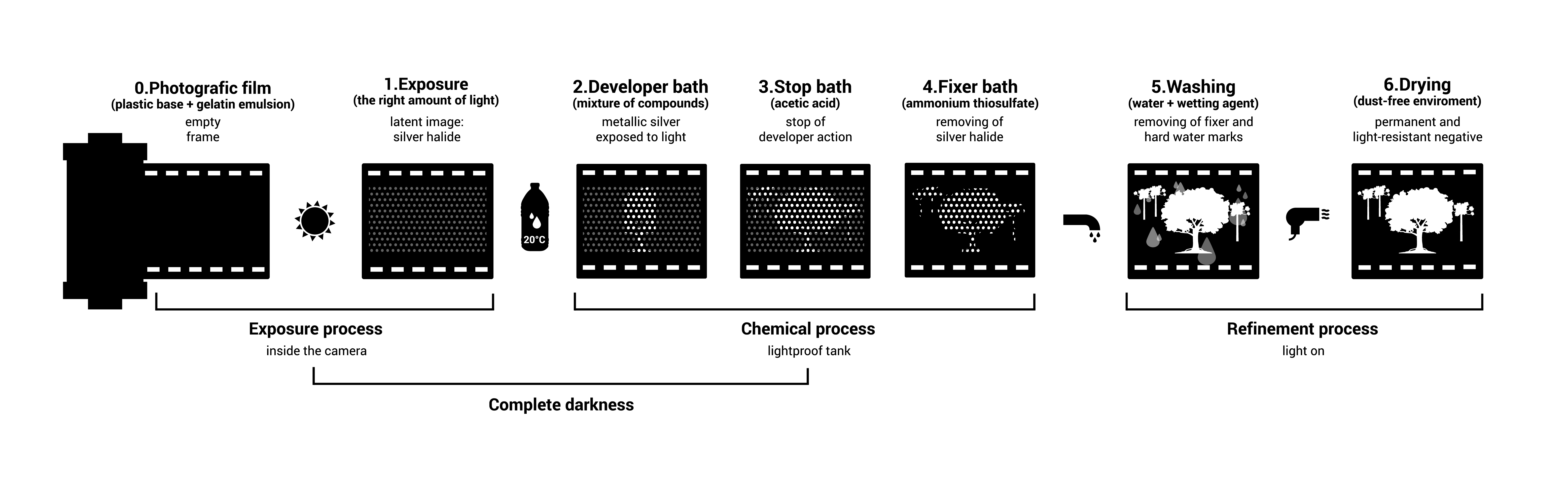
但是依稀记得冲洗流程,
胶卷拍完,需要先在无光的环境把胶卷取出来,缠到冲洗罐里
冲洗罐结构特殊,可以倒进倒出液体,但是不会进光。
经过显影、定影、水洗,
简单三步,也就10来分钟。
就可以把你刚按过的36次快门给固定下来。
之后拿到的就是下图左侧这种黑白反色的负片了。
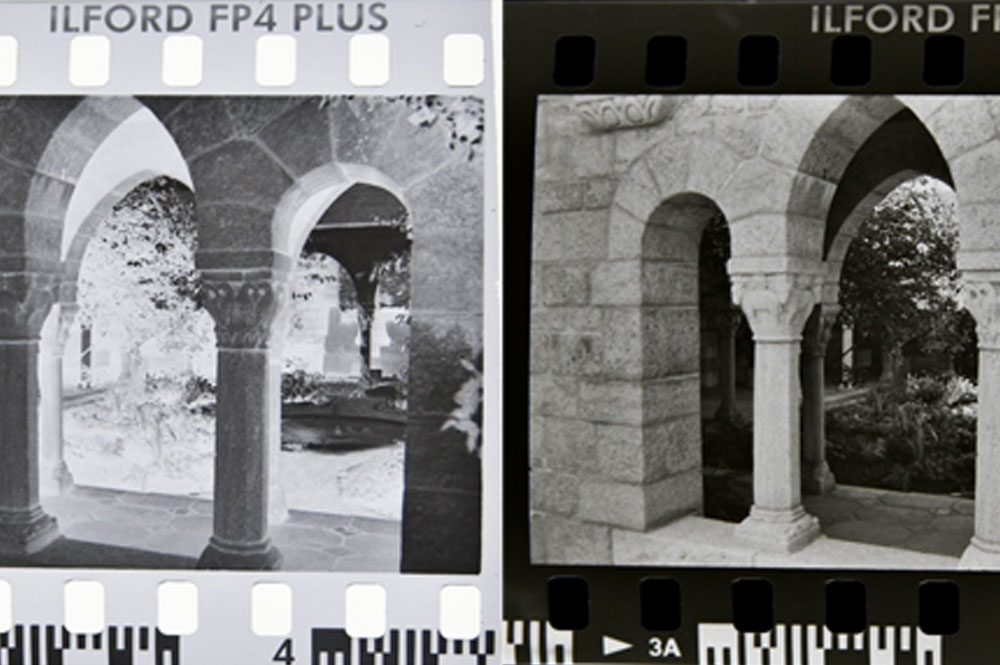
图源——https://www.guidetofilmphotography.com/black-and-white-film.html
接下来的流程是,把负片扫描,
然后在电脑上打开PS,按快捷键
Ctrl+I
I-Invert-反色
这样就得到了右边的图像。
观世界
那啰嗦这么多,负片跟世界观又有什么关系呢
关系大了。我只能说。
2021MBA刚入学时候,
我依旧对日本并无太多好感。
虽然也是从小看柯南,大了看死亡笔记,
各位老师的启蒙动作片也没少看。
但是骨子里的认知还是:
蕞尔小邦,美帝走狗,色情泛滥,互联网落后。
但是有句话说的好,
你没有观过世界,哪里来的世界观?
在MBA课上,某画圈狂魔讲了关于各个资本主义国家的发展特点
主要就是围绕美国和日本
比如美国人善于发明创造,所以得诺奖很多,也是个人主义和英雄主义的大本营
但是日本人呢,虽然不善于发明创造,但是能将美国人的发明买过来,创新发展,
这种模仿学习、改良进化的文化,结合了日式的团队合作、集体精神,造就了日本很多的成功案例。
看他PPT上的配图似乎就是扫描得来
于是干脆课间去问了,结果问来一本书
英文名叫做Seven Cultures of Capitalism
中文有个封面很丑的译本叫做《国家竞争力》
于是买来中英文版都读了,
发现确实一直忽略了这个“蕞尔小邦”。
由此对这个国家产生了探索欲。
毕竟英语学了20年
西方那套逻辑和价值观确实比较熟悉
定岗定JD,绩效考核
能干升职,不能干滚蛋
但是对于日本,尤其是日式管理
在我脑海中几乎还是一片空白
至于终身雇佣、年功序列、禀议制
听都没听过
有的时候你看不到,只是因为你没想去看罢了。
心里种下好奇的种子,加上有XMA的机遇,23年就去兜了一圈。
不得不说,观过了,就有了。
那些宛如“负片”的印象,就在一点点的被“Ctrl+I ”
反相成为——它们本来的样子
原本那些矛盾冲突、情绪化的表达
转瞬之际就被一扫而光
一切都变得理所当然起来
世界观
结合过往的经验,可能一个残忍的事实就是
现如今,如果你想获取一点事情的真相
可能,你得没事Ctrl+I一下才行
甚至,一直按住这两个键不松开
都不为过
以上
0.摄影胶片(塑料片基+明胶乳剂):空白画幅1.曝光(适量光线):潜影;卤化银2.显影浴(化合物混合液):受光部分的金属银3.停显浴(乙酸):停止显影作用4.定影浴(硫代硫酸铵):去除卤化银5.水洗(水+润湿剂):去除定影液与硬水水渍6.干燥(无尘环境):形成稳定、耐光的底片曝光过程:在相机内部化学过程:避光显影罐后处理:可开灯完全黑暗20°C
图源——https://commons.wikimedia.org/wiki/File:Photographic_processing.jpg
What Is a “Negative”?
> “Negative Film”
A “negative” is an image produced by exposure and development, with light and dark reversed and colors complementary to those of the subject.
A negative must be printed onto photographic paper to restore a positive image.
Simply put, once exposed film is developed, the image you see has inverted colors; it must be printed or enlarged into a photograph to reproduce the original scene’s colors.
For example, on a black-and-white negative, a person’s hair is white, while clothes that were actually white appear black.
—“What Are Positive, Negative, and Reversal Film?”https://support.hp.com/cn-zh/document/c00091767
Negative film is the most common kind; unless you were born after 2000, you have probably seen it.
Image source—https://everpresent.com/negatives-to-digital-guide/?clickcease=block
“Ctrl+I”
Once upon a time, I developed film myself.
Even my undergraduate graduation project was
“An Automated Temperature-Controlled Film Processor Based on an MSP Chip,”
And so on.
As an “atypical science-and-engineering guy,”
I spent much of my free time in the photography club.
These days, though, my camera has long been gathering dust,
And I have no particularly impressive photographs to show.
But I still vaguely remember the developing process.
After finishing a roll, you first remove the film in complete darkness and wind it into the developing tank.
The tank’s special construction lets liquid in and out while keeping light out.
Development, fixing, and washing:
Three simple steps, taking only ten-odd minutes,
Are enough to preserve those thirty-six clicks of the shutter.
What you get is the inverted black-and-white negative on the left below.
Image source—https://www.guidetofilmphotography.com/black-and-white-film.html
Next, scan the negative,
Open Photoshop on the computer, and press
Ctrl+I
I—Invert—reverse the colors.
And there is the image on the right.
Seeing the World
After all that rambling, what do negatives have to do with a worldview?
A great deal. That’s all I can say.
When I started my MBA in 2021,
I still had little affection for Japan.
Sure, I watched Conan as a child and Death Note when I was older,
And no shortage of educational “action movies” from the various esteemed ladies.
Yet deep down, my image remained:
A tiny little country, an American imperialist lapdog, awash in pornography, backward on the internet.
But there is a good saying:
If you haven’t seen the world, where did your worldview come from?
In an MBA class, a certain compulsive circle-drawer explained the development patterns of capitalist countries,
Mostly the United States and Japan.
Americans, for example, are good at invention and creation, hence their many Nobel Prizes and their stronghold of individualism and heroism.
The Japanese, though less good at invention, can buy American inventions and innovate and develop them.
That culture of imitation, learning, refinement, and evolution, combined with Japanese teamwork and collective spirit, has produced many of Japan’s successes.
The illustrations in his slides looked scanned,
So I went to ask during the break and came away with a book title.
In English, Seven Cultures of Capitalism.
The Chinese edition, with a rather ugly cover, is called National Competitiveness.
I bought and read both the Chinese and English editions,
And realized I really had been overlooking this “tiny little country.”
That sparked a desire to explore it.
After all, I had studied English for twenty years,
And was fairly familiar with Western logic and values:
Define the role and job description; assess performance.
Perform well and get promoted; fail and get out.
But Japan, and especially Japanese management,
Was almost a blank in my mind.
Lifetime employment, seniority-based promotion, ringi consensus approval—
I had never even heard of them.
Sometimes you don’t see something simply because it never occurred to you to look.
With curiosity planted in my mind and XMA providing an opportunity, I went for a look around in 2023.
And I have to say: once I had seen the world, I had a view of it.
Those impressions, like photographic negatives, gradually received their “Ctrl+I.”
Inverted back into what they had been all along.
The contradictions, conflicts, and emotional pronouncements
Were swept away in a moment.
Everything began to make sense.
A Worldview
Taken together with past experience, a cruel truth may be this:
Nowadays, if you want even a little of the truth about something,
Perhaps you need to hit Ctrl+I now and then.
Even holding those two keys down without letting go
Might not be going too far.
That’s all.
0. Photografic film (plastic base + gelatin emulsion): empty frame1. Exposure (the right amount of light): latent image: silver halide2. Developer bath (mixture of compounds): metallic silver exposed to light3. Stop bath (acetic acid): stop of developer action4. Fixer bath (ammonium thiosulfate): removing of silver halide5. Washing (water + wetting agent): removing of fixer and hard water marks6. Drying (dust-free environment): permanent and light-resistant negativeExposure process: inside the cameraChemical process: lightproof tankRefinement process: light onComplete darkness20°C
Image source—https://commons.wikimedia.org/wiki/File:Photographic_processing.jpg
「ネガ」とは何か
> 「ネガフィルム」(Negative Film)
「ネガ」とは、露光と現像を経て得られる像で、被写体と明暗が逆になり、色も被写体の補色になる。
ネガは印画紙に焼き付けることで、正像に戻せる。
簡単にいえば、撮影したフィルムを現像すると見えるのは色が反転した像であり、プリントや引き伸ばしによって、撮影した景色と同じ色の写真になる。
白黒フィルムを例にすると、ネガの上では人の髪が白く、実際には白い服が黒く写る。
――「ポジ・ネガ・リバーサルフィルムとは?」https://support.hp.com/cn-zh/document/c00091767
ネガは最も一般的なフィルムで、2000年以降生まれの子でなければ、見たことがあるはずだ。
画像出典――https://everpresent.com/negatives-to-digital-guide/?clickcease=block
「Ctrl+I」
かつては、自分でフィルムを現像したこともあった。
学部の卒業制作さえ、
「MSPチップを用いた自動温度制御フィルム現像機」
などというものだった。
「非典型的な理系男子」として、
授業外の時間の多くを写真部に費やしていた。
今ではカメラはとっくにほこりをかぶり、
人に見せられるような写真もない。
それでも現像の手順は、うっすら覚えている。
撮り終えたフィルムを、まず光のない場所で取り出し、現像タンクに巻き入れる。
現像タンクは特殊な構造で、液体は出し入れできるが、光は入らない。
現像、定着、水洗。
簡単な3工程、わずか10分ほどで、
さっきまでの36回のシャッターを、像として定着させられる。
こうして得られるのが、下図左のような白黒反転のネガだ。
画像出典――https://www.guidetofilmphotography.com/black-and-white-film.html
次にネガをスキャンし、
パソコンでPhotoshopを開いて、ショートカットを押す。
Ctrl+I
I――Invert――色を反転。
すると右の画像になる。
世界を見る
長々と話したが、ネガと世界観に何の関係があるのか。
大いにある。そうとしか言えない。
2021年にMBAへ入学した頃、
私はまだ、日本にあまり好感を持っていなかった。
子供の頃はコナン、大きくなってからはデスノートを見て、
各「先生」の啓蒙的な大人向けアクション映画も、ずいぶん見た。
それでも根底にある認識は、
ちっぽけな国、米帝の手先、ポルノが氾濫し、インターネットは遅れている。
だが、うまい言葉がある。
世界を見てもいないのに、どこから世界観が生まれるのか。
MBAの授業で、やたら丸を描くある先生が、資本主義各国の発展の特徴を話した。
主に米国と日本の話だった。
たとえば米国人は発明や創造に長けるので、ノーベル賞も多く、個人主義と英雄主義の本拠地でもある。
一方、日本人は発明にはそれほど強くなくても、米国の発明を買い、革新し、発展させられる。
模倣して学び、改良し進化させる文化が、日本式のチームワークや集団精神と結びつき、日本の多くの成功例を生んだ。
スライドの図はスキャンしたものに見えたので、
休み時間に聞いてみると、1冊の本を教えてくれた。
英語題はSeven Cultures of Capitalism。
中国語訳は、表紙がかなり不格好な『国家競争力』。
中国語版と英語版を買って両方読み、
確かにこの「ちっぽけな国」をずっと見落としていた、と気づいた。
そこから、この国を探ってみたくなった。
何しろ英語は20年学んできたので、
西洋の論理や価値観には、かなりなじみがある。
職を定め、JDを定め、業績を評価する。
できれば昇進、できなければ出ていけ。
だが日本、とりわけ日本式経営については、
頭の中がほぼ空白だった。
終身雇用、年功序列、稟議制など、
聞いたことさえなかった。
見えないのは、ただ見ようと思わなかっただけ、ということもある。
好奇心の種が心に植わり、XMAの機会もあって、2023年にひと巡りしてきた。
言わざるを得ない。見てみたら、世界観ができた。
「ネガ」のようだった印象が、少しずつ「Ctrl+I」され、
反転して、本来の姿になっていった。
元々あった矛盾や衝突、感情的な言葉は、
瞬く間に消え去り、
何もかもが腑に落ちるようになった。
世界観
これまでの経験も合わせると、残酷な事実はこうかもしれない。
今、何かについて少しでも真相を知りたければ、
時々Ctrl+Iしなければならないのかもしれない。
その2つのキーを、ずっと押し続けても、
やりすぎではないくらいだ。
以上。
0.写真フィルム(プラスチック支持体+ゼラチン乳剤):未露光コマ1.露光(適切な光量):潜像;ハロゲン化銀2.現像液(化合物の混合液):露光部分の金属銀3.停止浴(酢酸):現像作用の停止4.定着浴(チオ硫酸アンモニウム):ハロゲン化銀の除去5.水洗(水+水滴防止剤):定着液と硬水による水跡の除去6.乾燥(ほこりのない環境):安定した耐光性ネガ露光工程:カメラ内部化学処理:遮光タンク仕上げ工程:照明可完全暗黒20°C
画像出典――https://commons.wikimedia.org/wiki/File:Photographic_processing.jpg